
Sci-Fi Survivalv3
The galaxy is unstable. The jobs are dangerous.
A narrative sci-fi TTRPG about a crew, their fragile ship, risky jobs, debt, reputation, faction pressure, and consequences that carry forward.
We build worlds worth exploring, systems worth playing, and tabletop experiences that carry players to a whole new level.
A narrative sci-fi TTRPG about a crew, their fragile ship, risky jobs, debt, reputation, faction pressure, and consequences that carry forward.

A school-based horror-comedy TTRPG where exhausted educators, staff, and campus employees face literal supernatural threats inside a public high school.

An unofficial private-use narrative D6 game about recovered instruction, spiritual development, dangerous power, and the choices that shape a Force-attuned character.
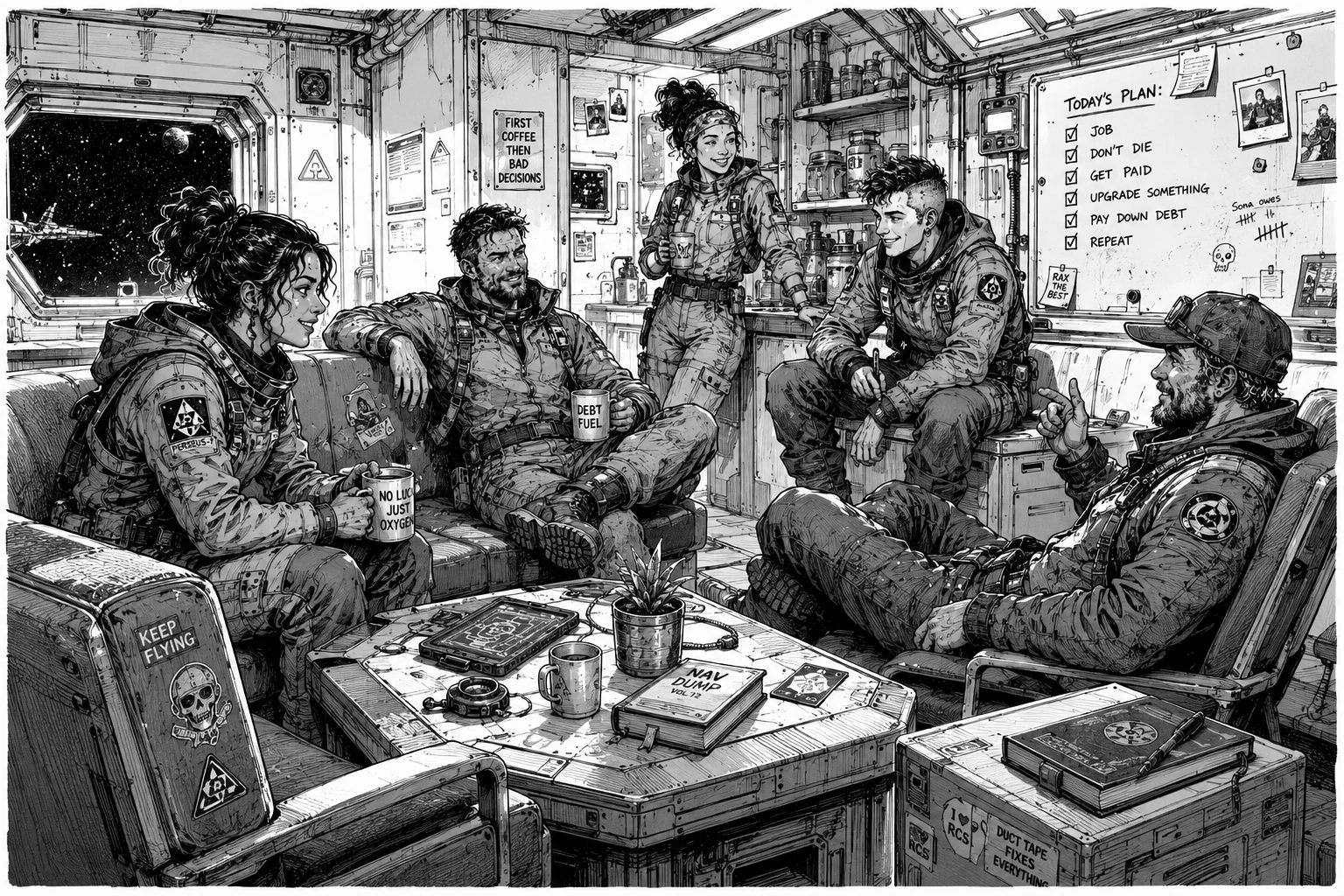
The crew is the heart of Awake in the Black: talking through the next move, trading jokes, nursing coffee, and facing tomorrow's risks together. Between runs and between worlds, shipboard life is where the setting becomes personal.
Define characters by role, approach, trait, problem, and pressure.
The ship is a shared character, asset, problem, and record of survival.
Contracts create pressure, profit, faction exposure, and hard trade-offs.
Success and failure both reshape the situation and follow the crew forward.
The table lives through coordinated risk, role tension, and shared survival decisions.
The ship takes damage, gains history, strains under pressure, and matters mechanically.
Every job changes reputation, resources, heat, enemies, obligations, or the ship itself.
Start with the Player Handbook, use the Crew Creation Guide to define the table’s shared identity, then keep the Core Rulebook close once the job goes sideways.
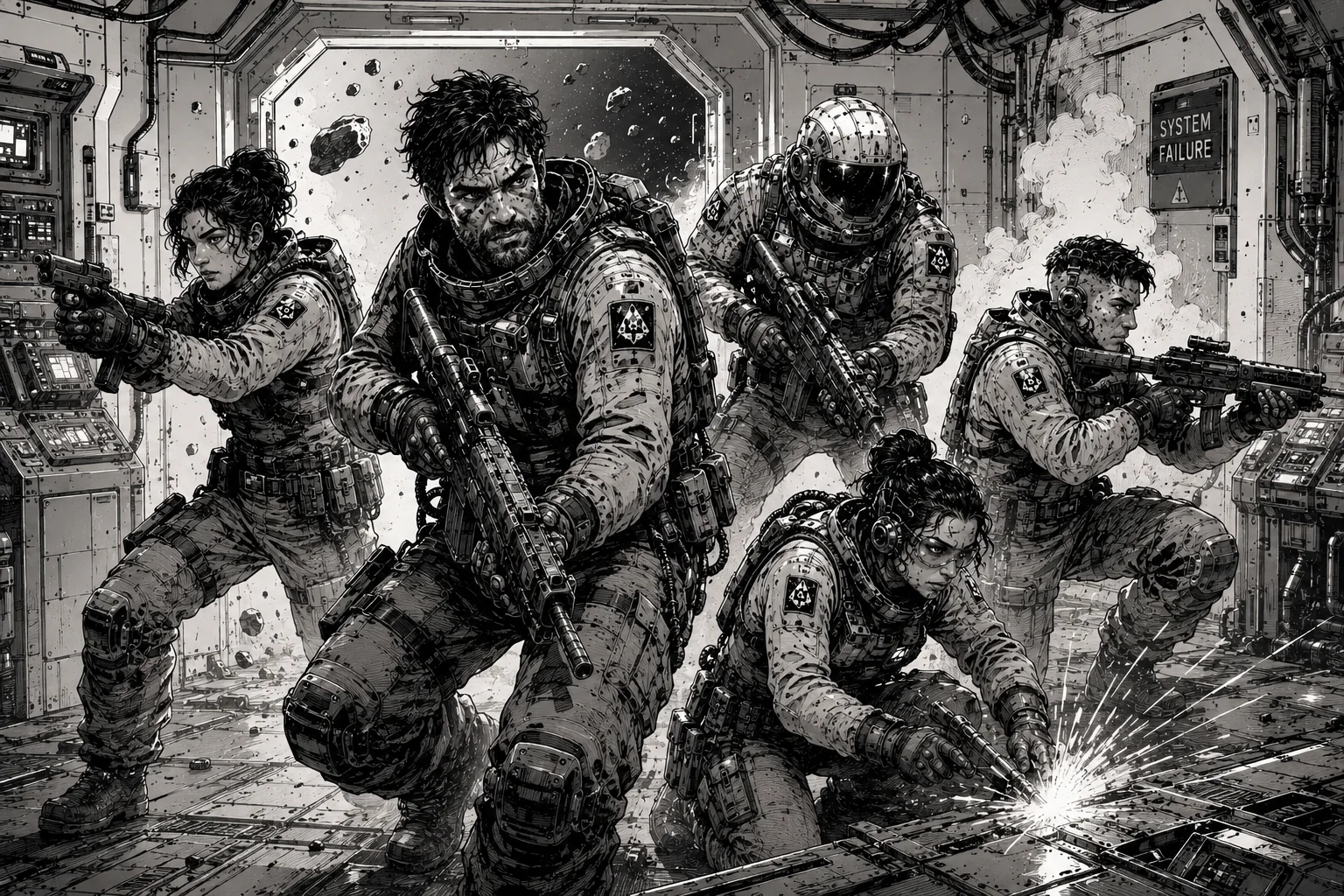
Not every job stays manageable. When the hull shakes, alarms hit, and the corridor turns into a kill zone, the crew survives by discipline, grit, and covering each other under pressure.
Selected visual details from the void: survival gear, cockpit comforts, and the equipment that stays close when things go wrong.
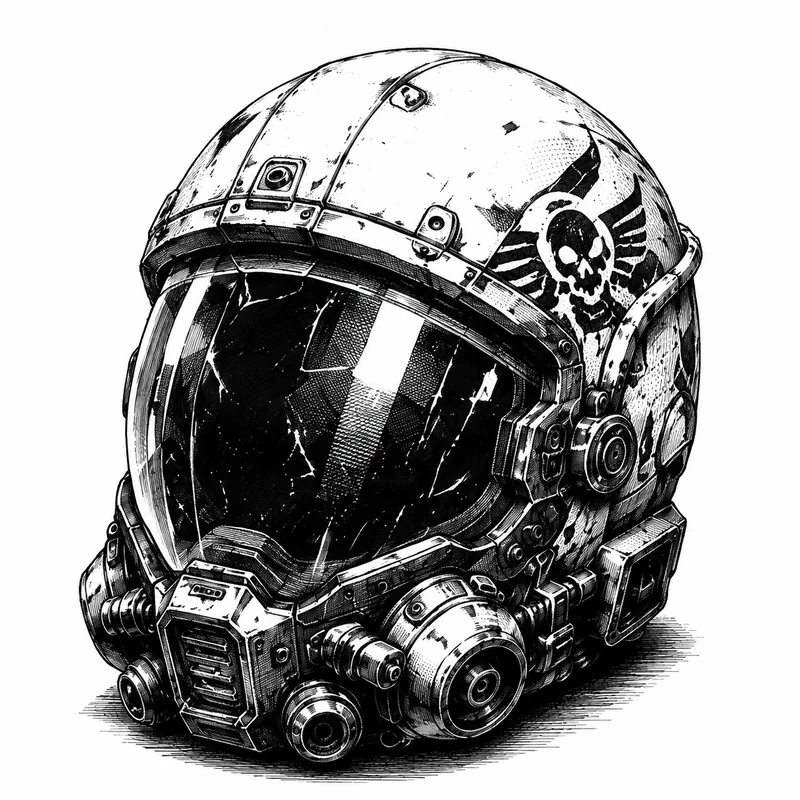
Helmets, seals, and patched-together kit are part identity marker and part survival promise.
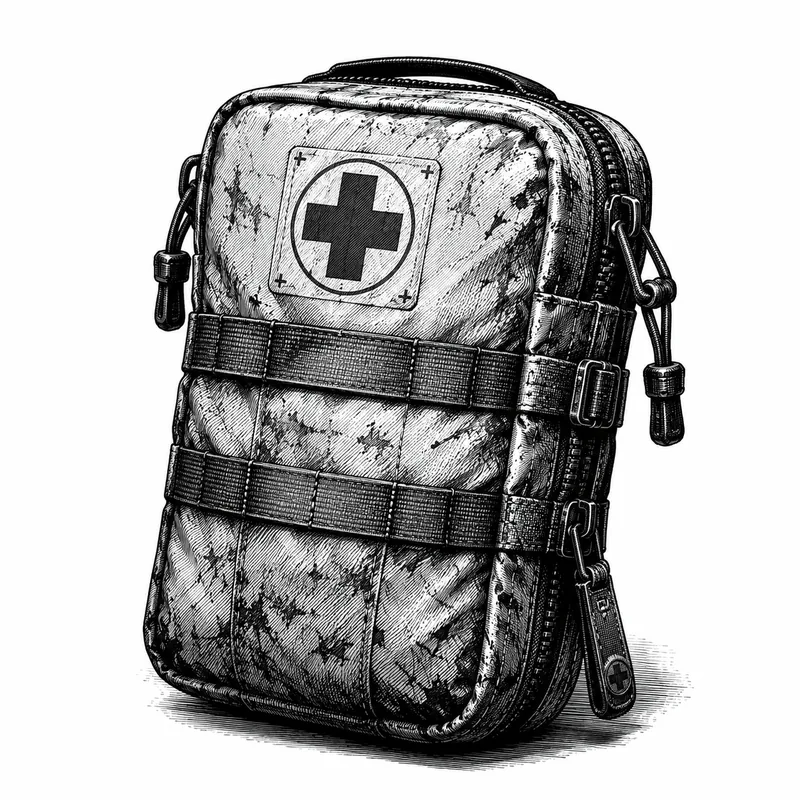
When the job gets ugly, compact medkits and practical gear matter more than polish or comfort.

Even out in the black, the crew keeps small habits alive: battered mugs, routine checks, and a place to breathe.
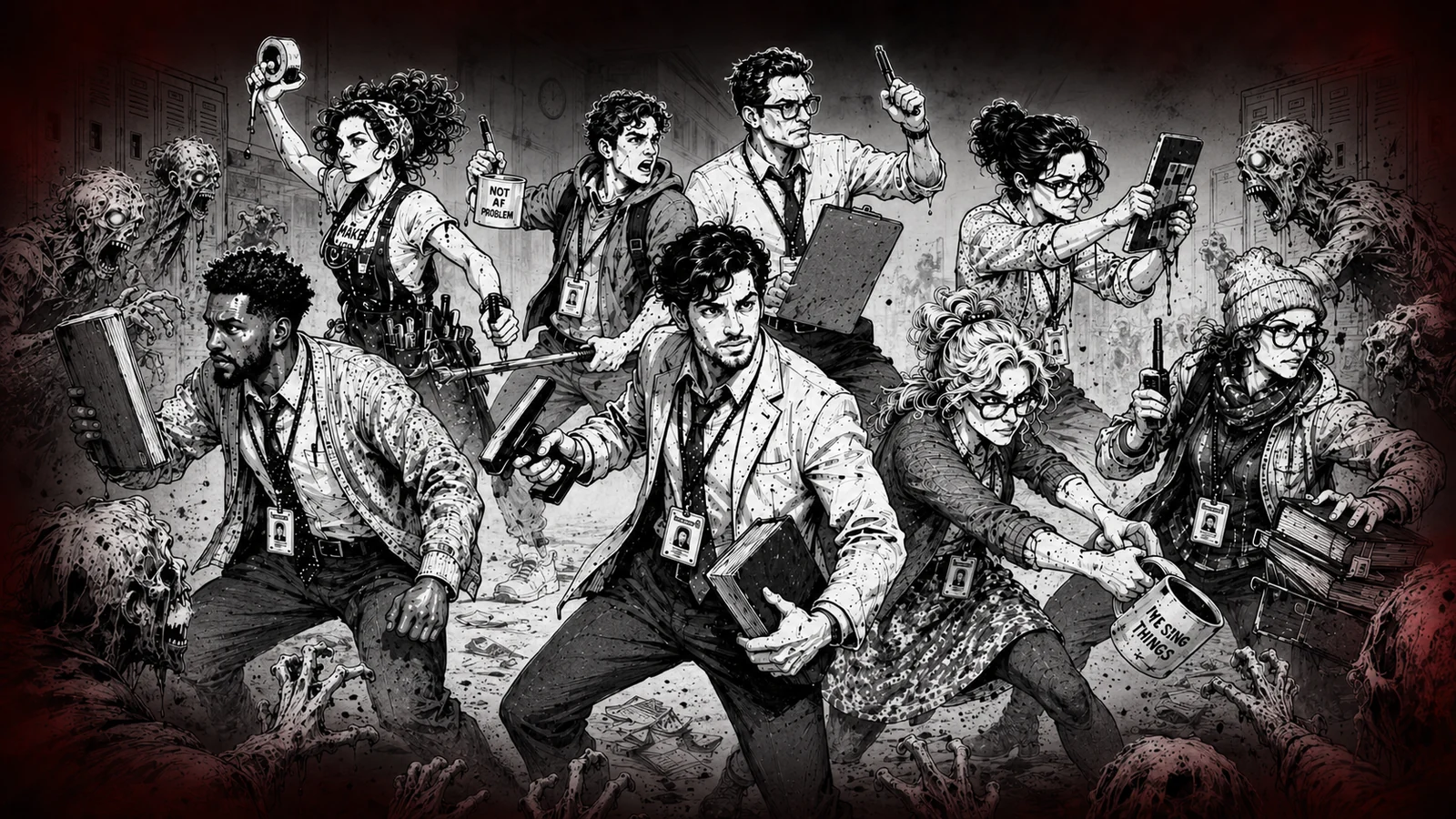
When the hallways collapse into chaos, teachers and staff become the campus response team—protecting students, improvising under pressure, and pushing back against the monsters loose on school grounds.
Start with the Player Handbook or the core rulebook.
Build a campus employee using Personas, roles, and attributes.
Use Session Zero: Before the First Bell to define tone and boundaries.
Investigate, improvise, protect students, and stop the ritual.
Familiar routines collide with supernatural danger, broken systems, and educator absurdity.
Teachers and staff solve impossible problems with exhausted competence and improvised tools.
Zombies are zombies. Demons are demons. Clues should produce action, not confusion.
Ordinary school objects become clues, survival tools, and recurring symbols inside the nightmare.

Coffee, stress, and strange signs—sometimes the first clue is sitting in the mug beside the copier.
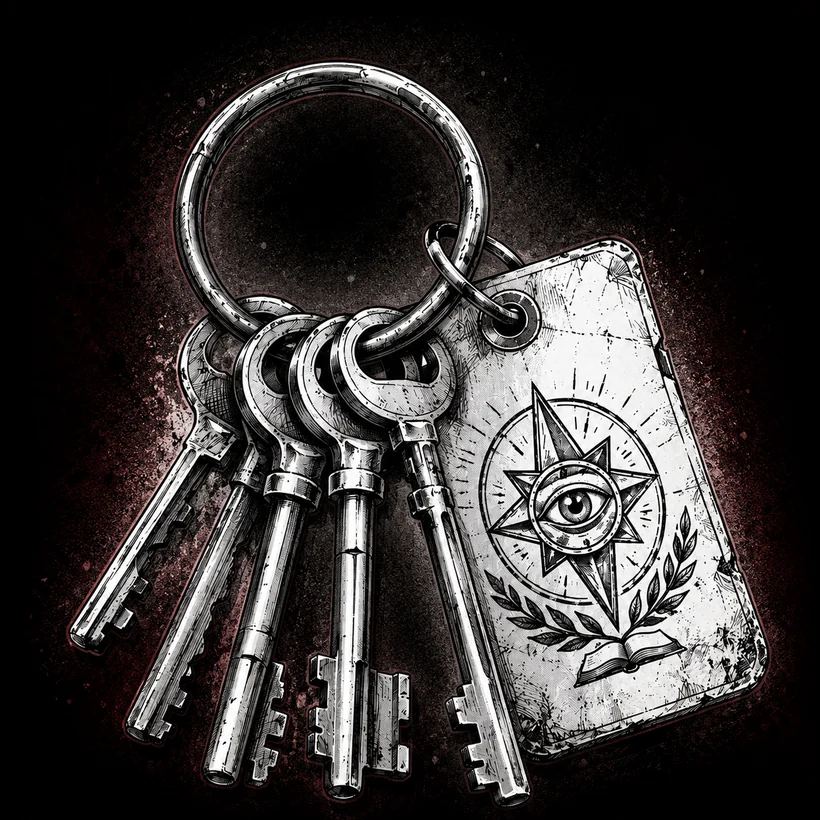
Master keys, restricted doors, and access to the rooms where the district would rather nobody look too closely.

Lesson plans, old records, and half-forgotten texts help piece together what the school has been hiding.
Begin with the Player Handbook, print a character sheet, and keep the core rulebook close once the campus starts going sideways. The dedicated C&C site now houses the expanded Fifth Floor to Hell one-shot library and beta soundboard.
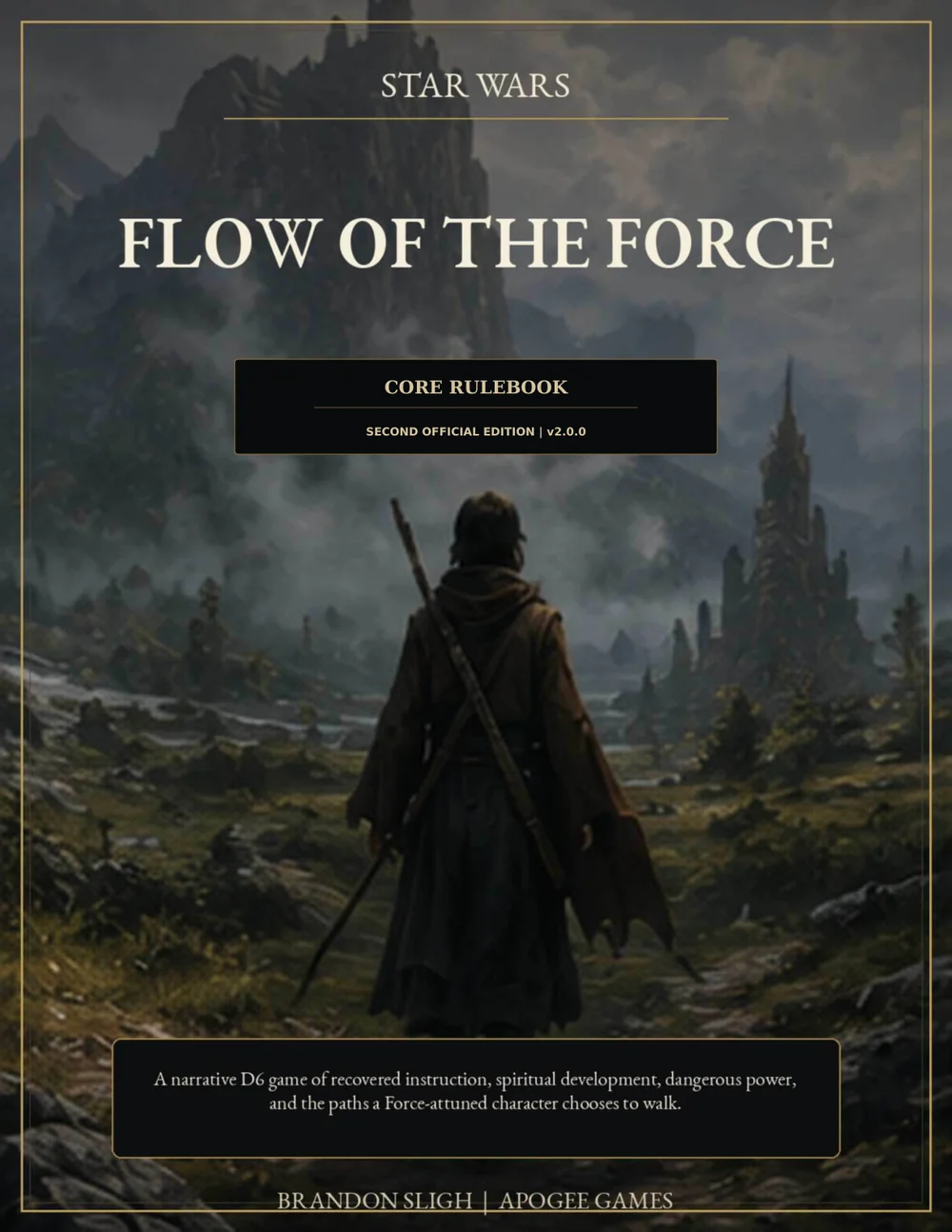
Begin as a Force-attuned individual whose identity has not yet solidified. Learn through fragments, mentors, relics, practice, and consequential trials while deciding what power means and who your character becomes.
Star Wars: Flow of the Force is an unofficial fan-created tabletop roleplaying game for private play. It is not affiliated with, authorized by, sponsored by, or endorsed by Lucasfilm Ltd., The Walt Disney Company, or any official Star Wars licensee.
Establish identity, Instructional Origin, Approaches, Attunement, character core, and starting Turbulence.
Resolve power through Success Dice, Force Dice, Failure Dice, Commitment, Signature, Advantage, and Strain.
Harmony, Hegemony, and Sovereignty emerge through repeated choices rather than a label selected at creation.
Instruction creates possibility. Practice develops control. Trials and Revelations establish transformation.
Success and failure resolve the objective while Advantage and Strain determine the cost, position, insight, and consequence surrounding it.
The Force is extraordinary but never free. Characters may accept the result, release control, or seize power at a dangerous price.
Ruins, archives, holocrons, kyber, mentors, artifacts, and persistent sites make discovery part of both advancement and belief.
Flow of the Force treats philosophy, instruction, and consequence as active campaign systems rather than fixed character labels.
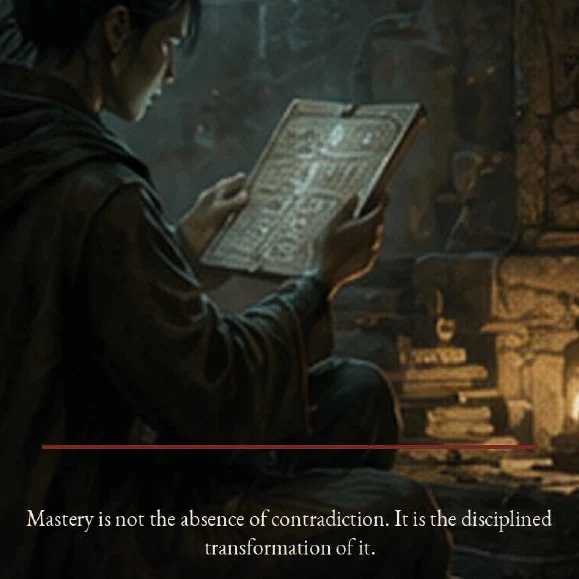
Characters begin unsettled. Harmony, Hegemony, and Sovereignty become coherent only through repeated decisions, reflection, Marks, and Trials.
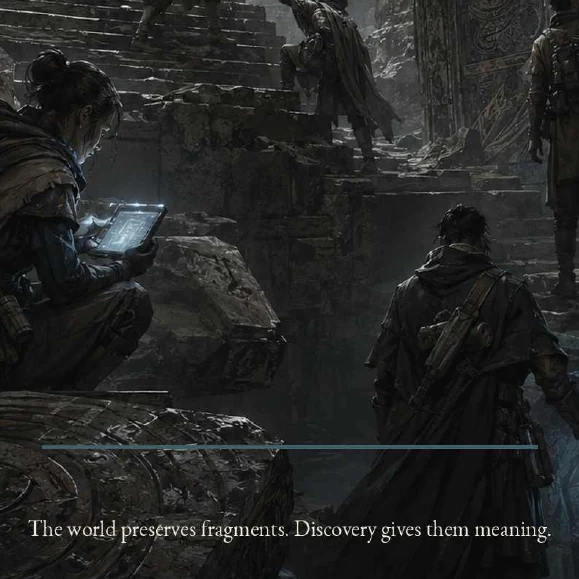
Recovered knowledge is biased, incomplete, and consequential. Exploration changes what characters can do and what they believe.
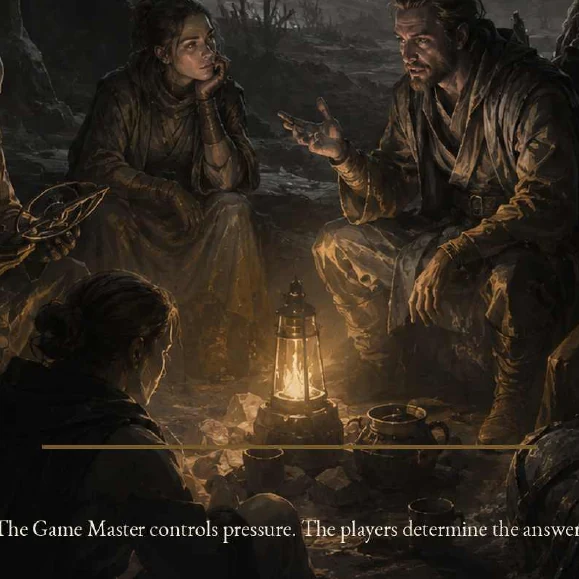
The Game Master controls pressure, clues, clocks, factions, mentors, rivals, and pursuit. Players determine the answers their characters live by.
Begin with the ten-minute Quick Start Guide, record the character in the Digital Character Console, then move into the Player’s Handbook for complete player rules. Keep the Core Rulebook available for Game Master procedures and campaign architecture.
A working archive of browser-based character sheets and interface studies developed for existing tabletop games.
Each project preserves the identity and workflow of its source system while applying the same priorities used across Apogee tools: readable hierarchy, practical table use, responsive layout, and self-contained deployment.
A dense, systems-oriented browser character sheet for Tab Creations’ hard science-fiction horror RPG, with multiple visual themes, integrated play utilities, and local data handling.
A widescreen player sheet for Adam Boman’s corporate horror game, translating personnel files, attributes, actions, and workplace absurdity into a focused operational interface.
A responsive pilot and mech sheet for Parable Games’ solo exploration RPG, with approachable visual hierarchy, adaptable themes, integrated rolling tools, and local campaign support.
The Apogee Games store is not active yet. Future commercial releases are planned through DriveThruRPG.

Apogee Games is an independent tabletop roleplaying publisher created by Brandon Sligh.
Its games are built around focused premises, readable rules, strong table procedures, and digital tools that help groups get playing faster.
The goal is to make games that know exactly what they are, support the people running them, and create memorable sessions through pressure, consequence, and player choice.
Questions, playtest feedback, support requests, and future newsletter links will be handled here once public contact is enabled.
Public contact link coming soon.
Each game maintains its own copyright, attribution, and license notes inside the relevant rulebook and support files.
Cultists & Classrooms includes third-party license information in its rulebook and legal resources. Consult the current license file before redistribution, publication, or commercial use.
Awake in the Black is an original Apogee Games TTRPG created by Brandon Sligh. Full copyright, attribution, and licensing notes should remain with the current rulebook and any public release package.
Flow of the Force is an unofficial, noncommercial fan-created TTRPG for private play. It is not affiliated with or endorsed by Lucasfilm Ltd., The Walt Disney Company, or any official Star Wars licensee. Star Wars names, settings, characters, concepts, and trademarks remain the property of their respective owners. The project may not be sold or commercially distributed.
The Design Archive contains independent interface adaptations and unofficial digital tools for third-party games. The source games, rulebooks, artwork, names, and trademarks remain the property of their respective creators and publishers.
A standalone bonus game co-developed by Brandon Sligh and Ethan Silva.
The current v4.1.0 HTML build is bundled directly with the Apogee Games site and opens as its own standalone browser game.
Connected Cultists & Classrooms to its dedicated resource site at cultclass.slighltd.org, including direct access from the game catalog, navigation, first-session kit, and footer.
Replaced the bundled Awake in the Black digital sheet with v4.3.0 and the Cultists & Classrooms digital character sheet with v1.4.0; updated catalog versions, mobile tool metadata, footer build label, changelog, README, and package version.
Replaced the bundled Flow Digital Character Console with v2.1.0, adding mobile-first section navigation, safe-area-aware layout behavior, touch-sized controls, collapsible record info, the Kyber Light theme, and updated Flow tool metadata.
Replaced the bundled Flow of the Force PDFs with the v2.0.0 Core Rulebook, Player's Handbook, and Quick Start Guide; updated the local Digital Character Console to v2.0.1; and refreshed all Flow links and version labels.
Preserved the approved v1.5.0 visual system while simplifying navigation, restoring Golf v4.1.0, activating the three official AI Game Masters, improving modal and keyboard accessibility, reducing mobile obstruction, and separating production CSS, data, interface, navigation, and ambience code.